
Logiquest Services

In this section
USA Clinical Rotations for USMLE & Residency Success
Logiquest provides international medical students with structured U.S. clinical rotations (USCE) to enhance their USMLE profile, CV, and residency applications. Build practical experience through placements in U.S. hospitals, outpatient clinics, and virtual rotations, while gaining firsthand insight into the U.S. healthcare system.
Why USA Clinical Rotations Matter
- Build clinical skills and patient care experience essential for USMLE Step 2 CK and Step 3
- Earn Letters of Recommendation (LoRs) from U.S. physicians for residency applications
- Gain exposure to U.S. medical protocols and hospital workflows
Explore specialities and career paths to strengthen your residency match chances
Rotation Types
Core Rotations:
Internal Medicine, Surgery, Pediatrics, OB/GYN, Psychiatry, Family Medicine, Neurology
Electives:
Emergency Medicine, Cardiology, Radiology, Dermatology, ICU, Orthopedics, Oncology, Gastroenterology, Pulmonology
Flexible Options
- In-Person USCE: Immersive rotations in top U.S. hospitals and clinics
- Virtual US Clinical Rotations: Remote training and telehealth experience with mentorship
Our Support
- Access to 500+ U.S. clinical sites across multiple specialties
- Guidance on visa, housing, and rotation logistics
- Tailored rotation recommendations to align with your specialty and residency goals
- Fast and simple application process
Start Your U.S. Clinical Journey
Prepare for USMLE success, enhance your CV, and secure competitive residency opportunities
Research Cell
Structured. Ethical. Globally Aligned. Residency-Focused
Our Institution’s Research Cell is led by experienced clinicians and academic mentors dedicated to advancing high-quality medical and clinical research. We support undergraduates, postgraduates, faculty, and USMLE aspirants in strengthening their academic portfolios, enhancing research visibility, and building a competitive profile for global opportunities.
Why This Matters for You
Participating in structured research is no longer optional; it’s a key differentiator for residency success. Our programs are designed to help you:
- Increase your chances of matching into a US residency
- Build a strong, publication-backed ERAS CV
- Stand out in interviews with meaningful research experience
- Gain exposure to US-style clinical research methodologies
- Learn research step-by-step, even with no prior experience
- IRB/IEC approval guidance & ethical compliance
- Manuscript drafting, journal submission & peer review support
- Guidance for PubMed and Scopus-indexed publications
- Workshops and journal clubs for IMGs & USMLE aspirants
- Structured thesis & dissertation mentoring
What is Research?
Research is a structured process used to generate new knowledge or validate existing evidence. At its core, it is the transformation of curiosity into credible, impactful outcomes.
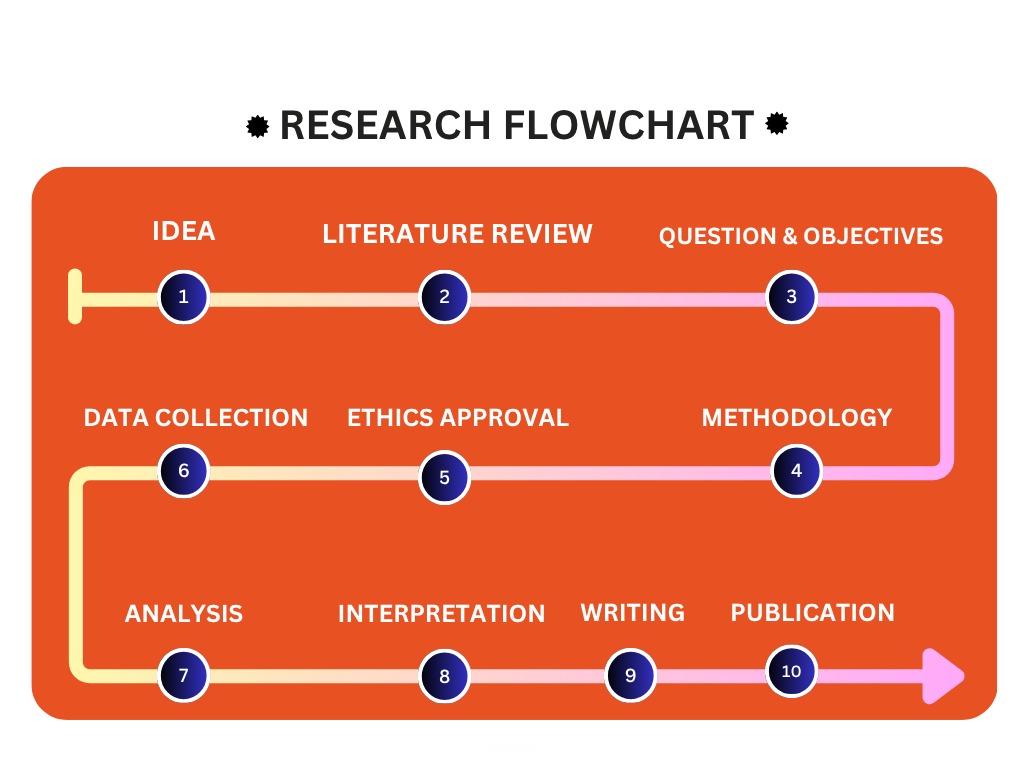
Comprehensive Research Lifecycle Support
We provide end-to-end mentorship throughout your research journey:
Why Students Choose Us
- Mentorship from experienced clinicians and academic experts
- Strict adherence to ethical, plagiarism-free research practices
- Strong focus on tangible publication outcomes
- Globally aligned approach following US research standards
- Personalised mentorship, not generic course-based learning
What You Can Achieve
- A published research paper in an indexed journal
- A strong and competitive ERAS CV
- Opportunities for conference presentations
- Improved chances of securing a US residency match
Start Your Research Journey Today
Take the first step toward building a powerful academic profile.
Connect with a research mentor and transform your ambition into achievement.
Residency Support
Navigating the residency pathway requires the right guidance, structured planning, and reliable support. Our platform is designed to assist medical graduates and USMLE aspirants throughout every stage of the residency application process.
We provide comprehensive, end-to-end assistance, ensuring a smooth and well-guided experience from initial profile evaluation and application strategy to interview preparation and final onboarding.
In addition to application support, we also guide candidates through the J1 visa sponsorship process, offering clarity and assistance with the required steps, documentation, and coordination. Our goal is to make the transition into residency as seamless as possible.
With a personalized and ethical approach, we focus on strengthening each candidate’s profile while simplifying the overall process.
Key Highlights:
- Limited Positions Available (2026 Intake)
- Visa Support: J1 Sponsorship Assistance
- End-to-End Guidance: From Application to Onboarding
- Structured & Personalized Support
Whether you are applying for the first time or reapplying after an unmatched cycle, we are committed to supporting your journey with a clear and strategic pathway toward residency.
Visa Guidance (IMGs)
If you are an International Medical Graduate (IMG) planning US clinical electives, observerships, research programs, or academic rotations as part of your USMLE journey, securing the correct U.S. visa is a critical first step.
Most IMGs begin by obtaining an invitation or acceptance letter from their chosen hospital, academic program, or research institution. Once accepted, you can proceed to apply for the appropriate U.S. non-immigrant visa.
Important Disclaimer:
Visa approval is solely at the discretion of the U.S. Embassy or Consulate. Programs and hospitals cannot influence visa decisions. Our guidance is informational only and does not constitute legal advice. For personalised guidance, consult a qualified U.S. immigration attorney.
Common Visa Categories for IMGs
The two most common non-immigrant visas for USMLE-focused programs, electives, and research are:
- B1/B2 Visitor Visa – Short-term electives & observerships
- J1 Exchange Visitor Visa – Research positions & residency programs
Step-by-Step Guide: Applying for a U.S. Visa
- Visit your regional U.S. Embassy or Consulate website.
- Identify the visa type under “Common Non-Immigrant Visas.”
- Complete the DS-160 Non-Immigrant Visa Application accurately.
- Pay the applicable visa fee.
- Schedule your appointments:
- Visa Application Centre (VAC) for biometrics (photo + fingerprints)
- Embassy/Consulate interview
Documents You Will Need:
- Passport (current & old)
- DS-160 confirmation page
- Visa fee receipt
- Appointment confirmation
- Supporting documents (acceptance letter, program details)
Tips:
- Apply early to account for country-specific processing times.
- Review official U.S. Department of State visa guidelines before applying.
Types of Visas Explained
1. B1/B2 Visitor Visa – Most Common for Electives & Observerships
The B1/B2 visa is widely used by IMGs for short-term clinical electives, observerships, and educational programs.
Key Points:
- B1 (Business): Conferences, professional, or educational activities
- B2 (Tourism): Travel or recreational purposes
- Typically issued as combined B1/B2
- Maximum stay: up to 6 months per entry
- Activities must be unpaid; no salary or employment allowed
- Rotations longer than 6 months are not permitted under B1/B2
Pro Tip for USMLE Aspirants: Be prepared to clearly explain that your participation is unpaid, educational, and USMLE-focused.
2. J1 Exchange Visitor Visa – Research & Residency Programs
The J1 visa is preferred for research positions, pre-residency observerships, and residency training.
Key Points:
- Requires DS-2019 form and SEVIS fee
- May allow Social Security Number application and driver’s license eligibility
- Two-Year Home Residency Rule may apply depending on funding source
- Widely used by programs offering US clinical research experience or residency training for IMGs
Important: Always confirm your visa annotations and consult an immigration attorney if unsure about J1 restrictions.
Important Notes for USMLE Aspirants & IMGs
- Visa issuance is never guaranteed; embassy decisions are final.
- Wait times and interview backlogs vary by country.
- Apply well in advance of your program start date.
- Ensure all documentation clearly states your educational, research, and USMLE-related objectives.